
Ocean Odyssey: The Blue Realm - الموسم 1 الحلقة 1
اختر السيرفر
الحلقات
 1
1Shark Business
Shark Business unravels some of the mysteries surrounding sharks with controversial behaviorist Dr. Erich Ritter. You'll witness divers testing the limits of shark-human interaction outside of cages with dangerous sharks such as lemon, bull and even great white sharks!
Recount the events that led to the attack that almost killed Dr. Ritter. Witness a feeding Frenzy of over 100 reef sharks in the Bahamas, and see a diver literally ride a Great White Shark in Gansbai, South Africa! This episode has shark action like you have never seen before!
 2
2Miracle Venom
Miracle Venom explores the strange, and often bizarre world of the oceans most venomous animals. Follow Dr. Glen Burns as he handles deadly Sea Snakes with only his bare hands. You'll be amazed at how a small Cone Snail hunts, paralyses and then eats it's prey alive.
The waters of Papua New Guinea and Australia's Great Barrier Reef harbour an exceptional variety of venomous fish and invertebrates.The poisons of these animals are some of the most lethal known to man.They also, however, hold enormous potential in the development of therapeutic drugs.
 3
3Tentacles
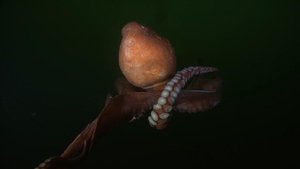
Tentacles follows Dr. Jennifer Mather as she leads a team of renowned scientists to the beautiful Caribbean island of Bonaire. Their mission is to prove a controversial theory: reef squid speak to each other with a complex language they paint on their skin.
The episode features the bizarre courtship and never-before-filmed egg-laying rituals of reef squid. Travel to the Pacific Northwest for an encounter with the world's largest Octopus. You'll also witness the fascinating hunting technique of the cuttlefish.
 4
4Giants of San Benedicto: Giant Manta Rays
Giants of San Benedicto features Dr. Robert Rubin and his ground-breaking research of giant Mantas. You'll travel to the remote Socorro Islands off Mexico's Pacific coast and see breath-taking encounters with enormous manta rays.
You're sure to love these majestic giants as you see how they invite human contact, and encourage certain divers to ride them. The film crew also travels to the Bahamas to visit 'Bubbles', a fifteen foot Manta in the worlds largest aquarium, and witness her release back into the ocean.
 5
5Whale Sharks: Gentle Giants
Whale sharks can reach nearly 50 feet in length and weigh 30 tons or more! The program also features the remarkable story of the capture and transport of whale sharks to the Georgia Aquarium in Atlanta.
 6
6Shark Divers
Sharks are BIG business in adrenaline eco-tourism. And some thrill seekers deliberately pursue close encounters with deadly sharks – without the protection of a cage. The bigger and more dangerous the shark, the better.
At Mexico’s Guadalupe Island, guests (including 5 & 7 year old siblings) come face to face with great whites. In the Bahamas, scuba divers pay big bucks to get up close and personal with tiger sharks. But have we taken this risky sport too far? Shark advocates Dr. Erich Ritter and Chuck Anderson have grave reservations about how far we are willing to go for a thrill. And they have intimate knowledge of the subject. Both men were brutally attacked by bull sharks. Shark Divers also examines the controversy surrounding a handful of high-profile attacks in 2008, including the first shark tourist killed while on a shark excursion.
 7
7Manatees and Dugongs
Each year, hundreds of critically endangered manatees are killed in U.S. waters by boats, disease and cold weather. 2006 was the worst year on record for manatee deaths – 416 animals perished. With only a few thousand remaining in the wild, mostly in heavily developed Florida wetlands, the clock is ticking in efforts to save this amazing mammal from extinction.
Another rare species and close relative of manatees is the dugong. Dugongs cling to survival in a few isolated corners of the globe. In marine sanctuaries in Abu Dhabi, the bizarre animals have been notoriously difficult to find, let alone photograph. Manatees and Dugongs features exclusive HD imagery of the mammals in the wild and examines efforts of scientists to protect the two species. The program also includes thrilling captures and field exams of manatees in Florida.
 8
8Humpbacks: From Tonga to Antartica
Singing louder than any animal on earth, humpback whales are famous for their haunting songs and jaw-dropping acrobatics. They were hunted to the brink of extinction until a moratorium on killing them was implemented in the 1960s. But after finally rebounding in numbers, whaling nations are exploring ways to re-open the hunt. In Antarctica, Japan is targeting minke, fin, and now... humpbacks.
The tiny island nation of Tonga in the remote South Pacific is a haven for the magnificent mammals. With few natural resources or other means of income, the country is considering opening it’s waters to foreign whaling fleets in exchange for hard currency. The merits and legitimacy of scientific whaling by Japan and other nations is hotly debated. The iconic species is a favorite of whale watchers from Alaska to Mexico and the stage is set for an epic battle between whalers and conservationists. Humpbacks: From Tonga to Antarctica also features Paul Watson of the Sea Shepherd Society.
 9
9The Shipsinkers
Around the globe, thousands of decommissioned naval vessels rot in dockyards. What can you do with these toxic time bombs? One solution is to clean them well, blow them up and sink them! Providing shelter and breeding grounds, countless fish and invertebrates colonize steel hulls.
In the Cayman Islands, the USS Kittiwake met a watery grave and quickly transformed into a vibrant artificial reef. In the Florida Keys, dozens of purposely sunk ships are a beacon to marine life, and to scuba divers. It seems like a win-win-win situation - for the environment, for divers and for cash strapped governments. But supporters face tough opposition on many fronts. After years of struggle, Canada's newest artificial reef project - the HMCS Annapolis, is nearing completion. But will protesters get their way and scuttle the sinking?
 10
10Toxic Invaders
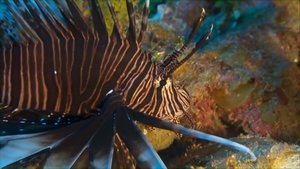
They are beautiful and deadly, with large, venomous spines that resemble a lion's mane. Lionfish, a tropical reef species native to the Indo-Pacific, are wreaking havoc in the Caribbean and Atlantic after being carelessly released from home aquariums. Lacking natural predators in these new waters, they are spreading aggressively and wiping out native species at an alarming rate. This episode explores the devastating impact of this invasion on coral reefs and highlights the unique local efforts, from the Florida Keys and beyond, aiming to control their booming population.
 11
11Reefs of Steel
Around the globe, thousands of decommissioned naval vessels rot in dockyards, posing a severe environmental liability. One innovative solution is to thoroughly clean these massive ships, strip them of toxins, and deliberately sink them to create thriving artificial reefs. Exploring notable projects like the USS Kittiwake in the Cayman Islands and the USS Vandenberg in the Florida Keys, this episode details how marine life quickly colonizes the steel hulls, while examining the intense regulatory hurdles and public protests facing newer projects like Canada's HMCS Annapolis.
 12
12Shark Nation
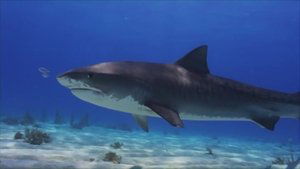
While global shark populations have plummeted by more than 90% due to commercial overfishing, one sanctuary remains a vibrant exception: the Bahamas. This episode follows dedicated shark advocates and marine biologists across the Bahamian island chain to examine how the nation's strict, long-standing protection laws have allowed diverse shark species to thrive. The program showcases the delicate balance of the local ecosystem and proves that well-regulated eco-tourism can become a powerful force for species survival.
 13
13Deep White
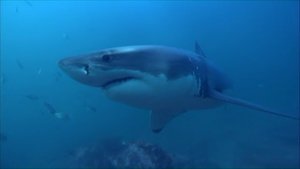
Following a spike in high-profile shark encounters in Australia and unprecedented sightings as far north as Cape Cod, the fierce debate over public safety and marine conservation has reignited. This episode follows researchers and underwater photographers as they venture outside the safety of traditional cages to study the behavior of the world's apex marine predator: the Great White Shark. Utilizing modern tracking technology, acoustic tagging, and behavioral studies, the team investigates what is driving these interactions and the critical role these predators play in maintaining a healthy ocean.
 14
14Lions of the Deep
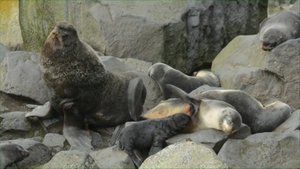
Since the 1970s, Steller sea lion populations have plummeted by more than 80% along the North Pacific coast. This episode joins marine biologists at the University of British Columbia and the Vancouver Aquarium as they conduct groundbreaking field research to understand this dramatic decline. By studying Canada's iconic and largest pinnipeds up close, scientists examine the pressures of shifting food supplies, climate factors, and predator-prey dynamics to gain critical insights into a fragile, rapidly changing subarctic ecosystem.
جاري البحث عن روابط التحميل المباشرة...
التقييمات والمراجعات
0.0
بناءً على 0 مراجعة
10★0
8★0
6★0
4★0
2★0
لا توجد مراجعات بعد. كن أول من يكتب مراجعة!